Mice are one of the most common pest problems in Central Pennsylvania homes and businesses. As temperatures drop in fall and winter, mice enter buildings searching for warmth, food, and nesting sites.
A small mouse issue can become an infestation quickly, since one pair of mice can produce up to 60 offspring in a year.
Whether you live in a historic Lancaster row home, a Berks County farm property, a suburban York neighborhood, or a commercial building in Hershey, mice only need a gap the size of a pencil to enter. Once inside, they contaminate food, chew electrical wiring, damage insulation, and spread droppings throughout walls, attics, and storage areas.
For homeowners searching for local mouse pest control, professional inspection and treatment is the most reliable way to eliminate mice and prevent them from returning.
Professional Mouse Control in Central Pennsylvania
How to Tell if You Have Mice
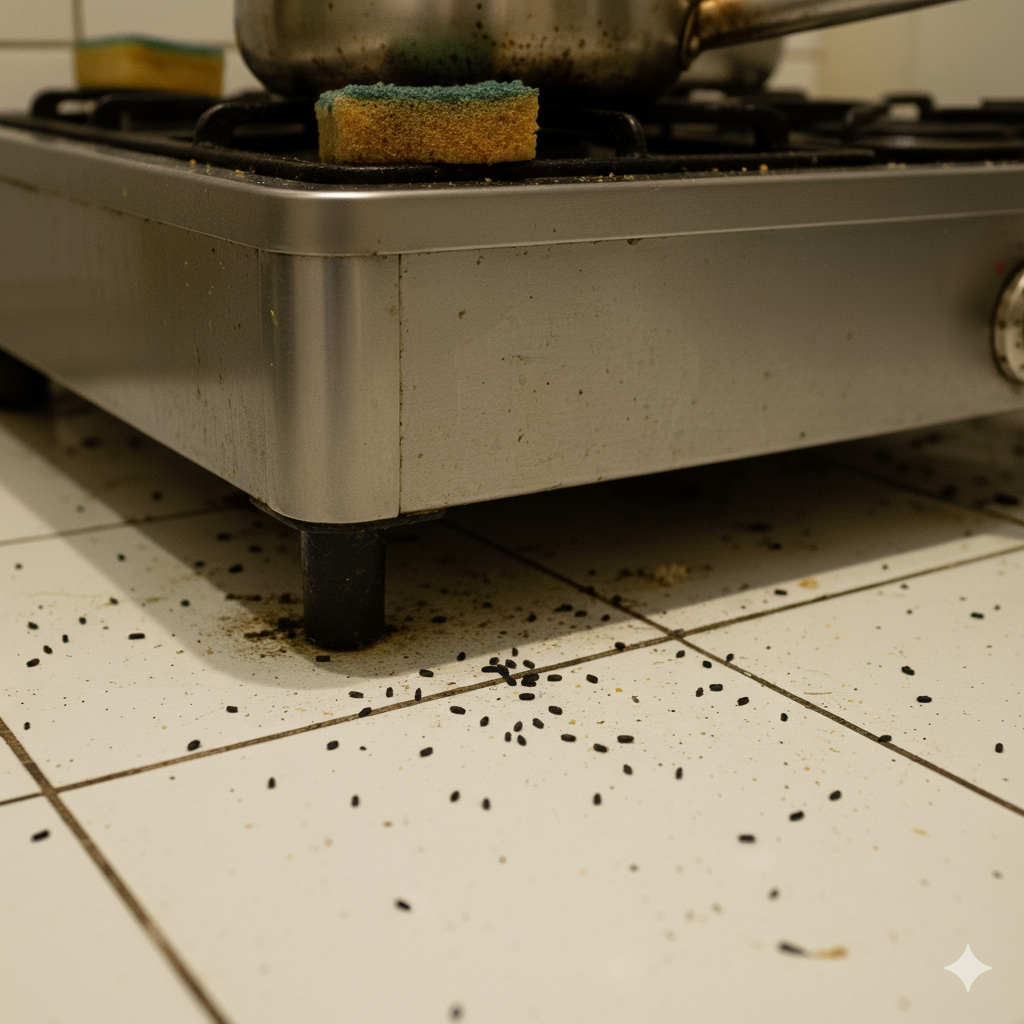
Even if you rarely see live mice, the evidence they leave behind is clear once you know what to look for.
Common signs include:
- Small, dark droppings shaped like grains of rice
- Scratching or scurrying noises in walls, ceilings, or ductwork
- Gnaw marks on food packaging, wiring, baseboards, or stored items
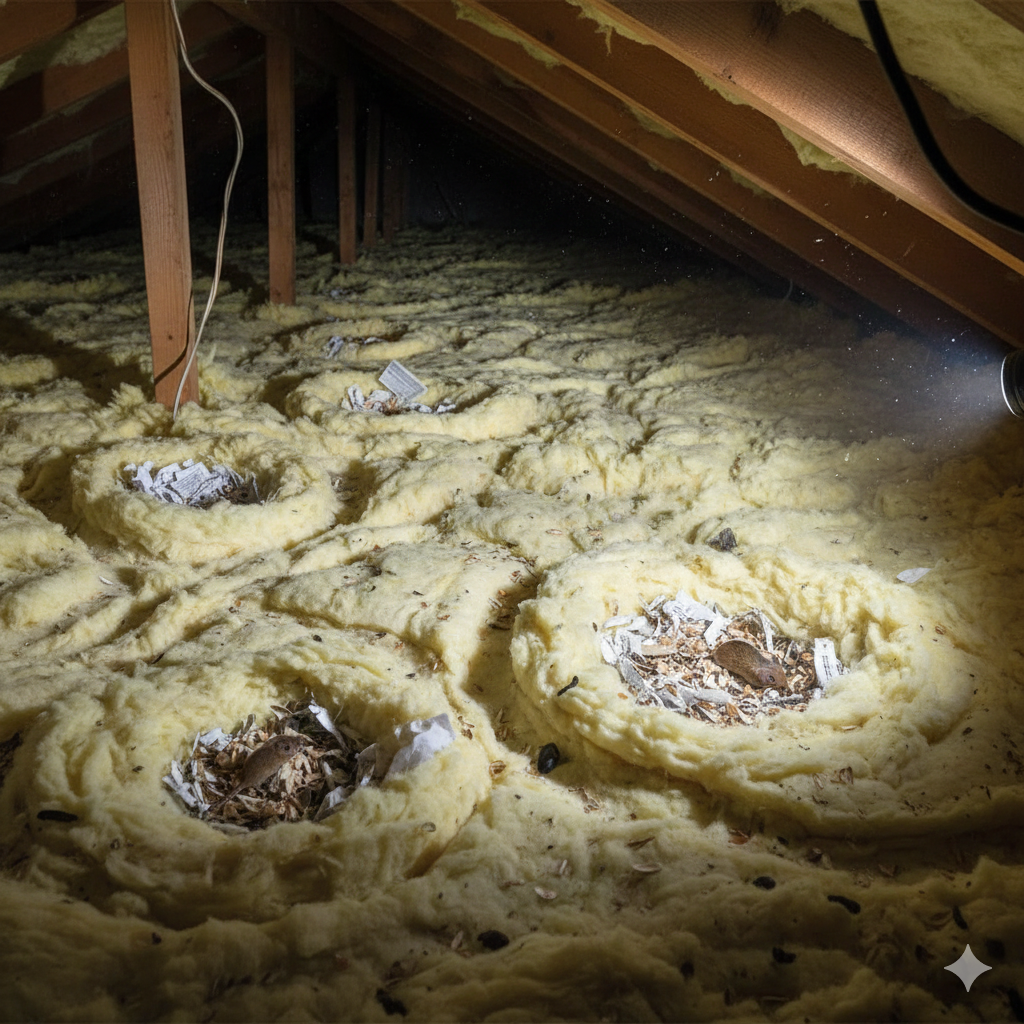
- Shredded insulation, cardboard, or paper used for nesting
- Grease or dirt rub marks along walls and baseboards
- Strong, musty odor caused by mouse urine and nesting activity
- Pet behavior changes such as barking or staring under appliances
- Food disappearing from pantry shelves, garage storage, or pet bowls
Seeing mice during the day usually means the population is already large enough to force some out of hiding. The common house mouse has an instinct to gnaw, and many unknown causes of house fires are attributed to mice and rats chewing on wires. We were called to a college that had an entire building shut down because of rodents chewing on main wires!
Mice are looking to get inside houses and businesses in Lancaster, York, and surrounding counties, often in the late fall and winter due to extreme weather conditions. Basements, attics, and garages are usually the first entry points. After arriving, they will look for food sources. Once they find a source, they will nest somewhere within 10-15 feet.
What Types of Mice Are Most Common in Pennsylvania?
Most indoor infestations in Central PA involve the house mouse, but homeowners may also encounter deer mice, white-footed mice, or jumping mice depending on habitat and property type. Outdoor areas in Lebanon, Berks, and Cumberland counties may also have meadow voles (often called “field mice”), although they rarely infest homes the same way house mice do.
How to Tell the Difference Between House Mice and Other Pennsylvania Species
| Jumping Mouse | House Mouse | Deer Mouse | White-Footed Mouse | Jumping Mouse |
| Color and Fur | Gray or dusty brown | Brown or reddish back, white belly | Like deer mice, redder back, white feet | Yellow-orange sides, brown band on back, white belly |
| Tail | Same color as body, mostly hairless | Two-toned tail, dark above, white below | Shorter tail relative to body | Very long tail for balance in long jumps |
| Eyes and Ears | Medium size | Larger eyes and ears | Like deer mouse, ears slightly smaller | Long hind legs and large feet, hops instead of runs |
| Habitat | Indoors year-round | Outdoors but enters seasonally | Wooded and brush areas, some indoor activity | Rarely indoors, live in fields and brush |
| Risk Factor | Chews wiring, contaminates food | Can carry hantavirus | Similar risk to deer mouse | Low indoor risk |
Field mouse clarification: Meadow voles are often called “field mice,” but they are not typically the species building nests in walls, attics, or basements. True indoor infestations are almost always house mice or deer mice. This Pennsylvania Game Commission article on mice and voles explores this in detail.

Why It Matters Which Mouse Species You Have
Pest identification is a key step in Integrated pest management (IPM). Correct identification guides removal and prevention because:
- Disease risk varies
Deer mice and white-footed mice can carry hantavirus. House mice rarely do but still spread bacteria and allergens. - Entry behavior differs
House mice live indoors full-time. Deer and white-footed mice may only enter as temperatures drop, affecting how exclusion is handled. - Treatment strategy changes
If mice are nesting indoors year-round, interior exclusion and best mouse control methods are required. If mice enter from exterior brush zones, sealing and perimeter treatment become priority.
When Are Mice Most Active in Pennsylvania?
Mouse activity increases sharply in late fall when outdoor temperatures drop. Most infestations begin between October and February.
Properties near farm fields in Lancaster and Lebanon counties see higher mouse movement after crop harvests. Homes near wooded lots in York, Chester, and Dauphin County also experience winter migrations.
Signs of a Mouse Infestation
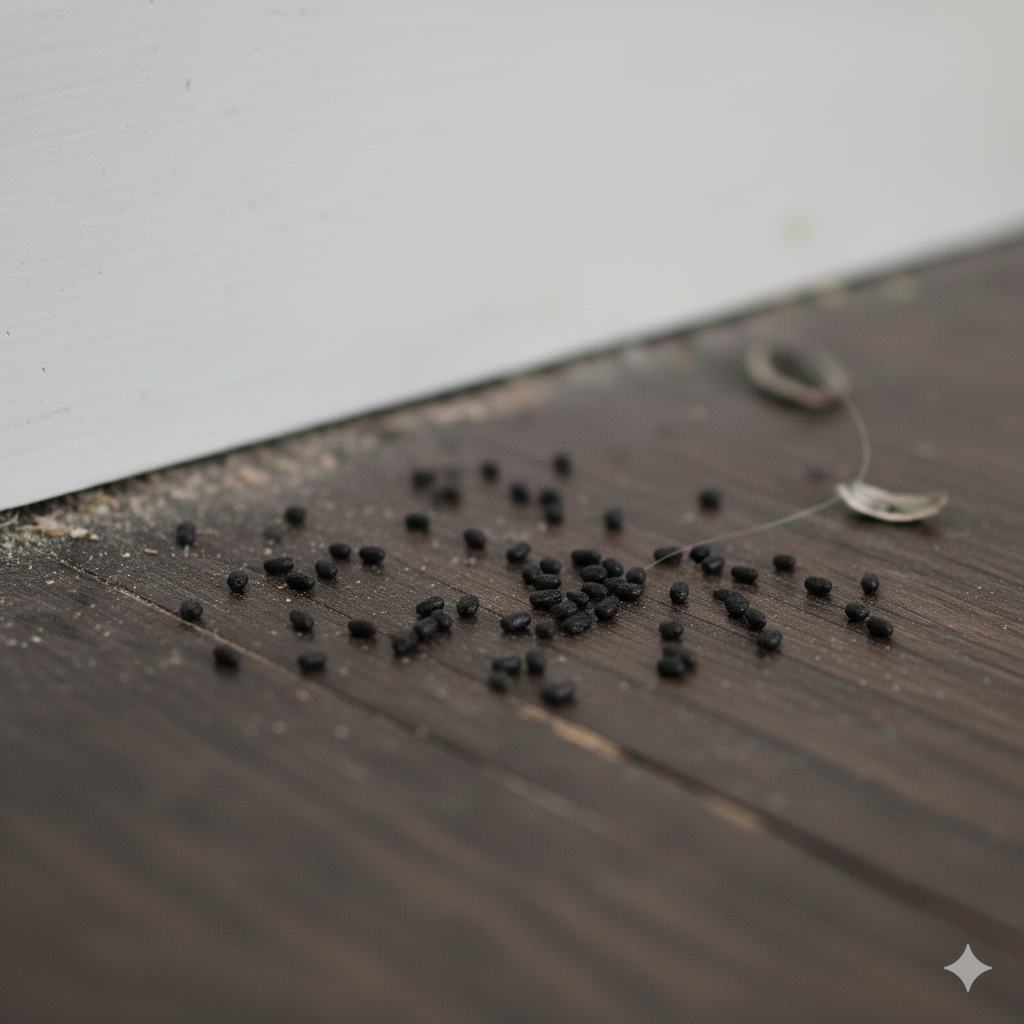
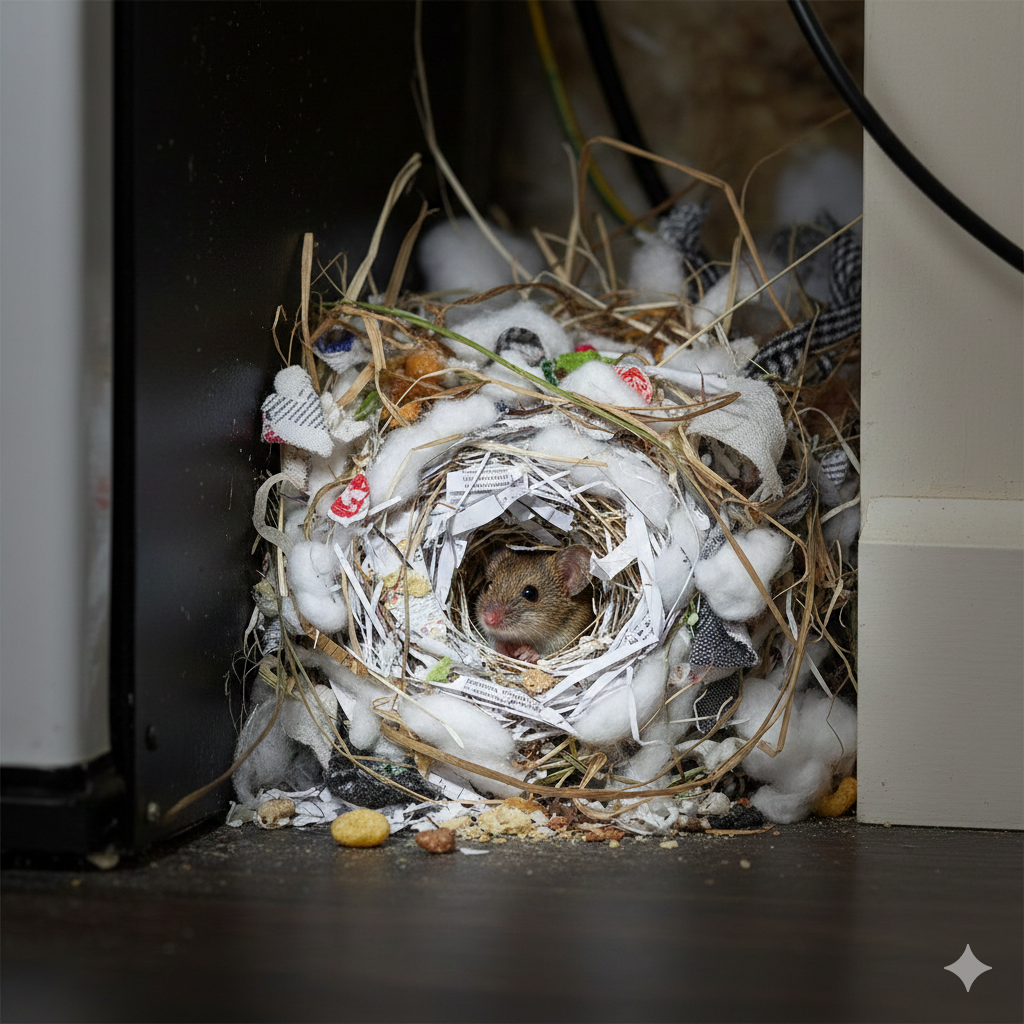
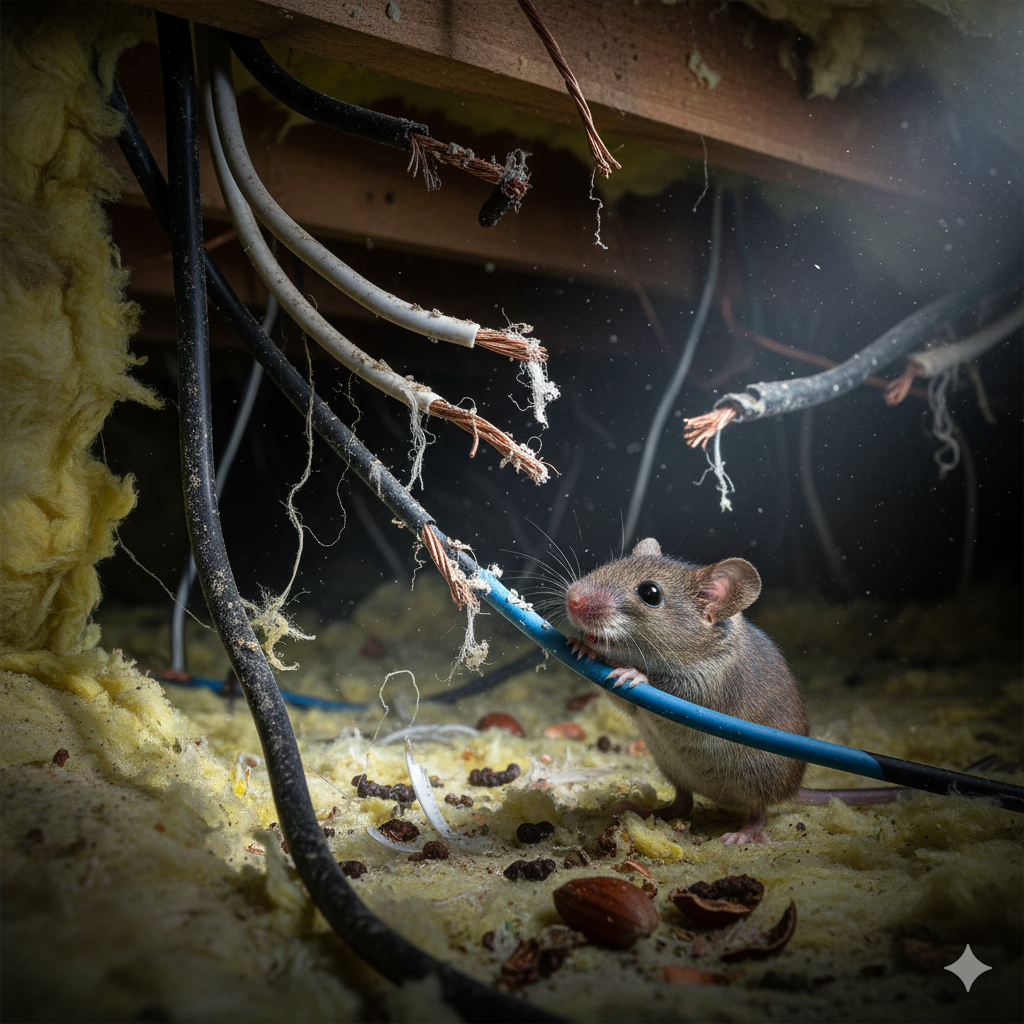
Mice cause damage beyond food contamination. Key concerns include:
- Chewed electrical wires, a leading cause of unexplained house fires
- Damaged insulation in attics, crawlspaces, and wall voids
- Nesting inside HVAC systems, kitchen appliances, or vehicles
- Contamination of stored food, pet food, and pantry supplies
- Structural staining from urine and droppings
How Can I Get Rid of Mice?
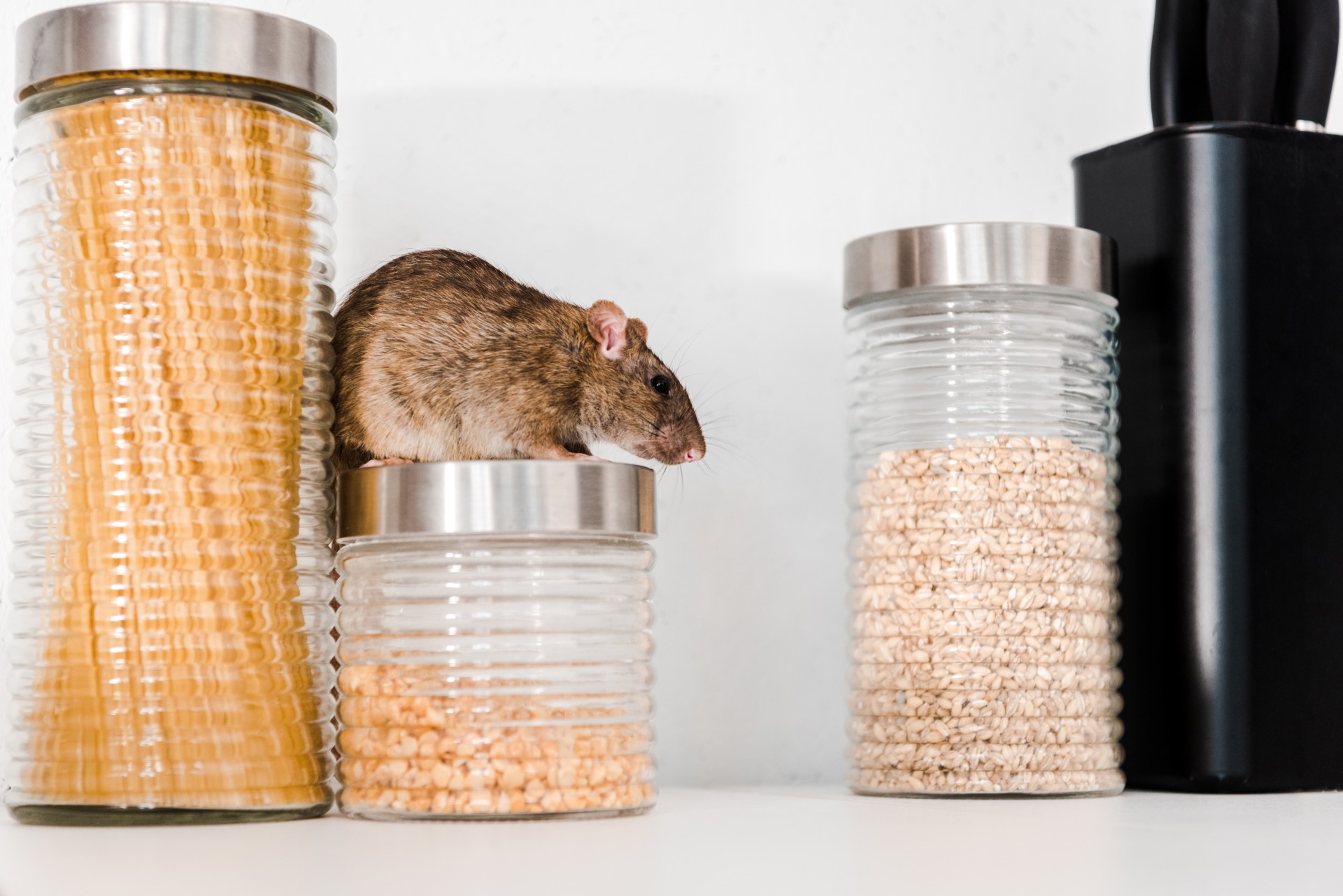
Professional mice pest control is typically a three-part solution:
- Inspection
- Locating nests, food sources, droppings, wall voids, and access points.
- Exclusion
- Sealing cracks, gaps, pipe openings, sill plates, crawlspace vents, and attic entry points.
- Targeted baiting or trapping
- Structured placement ensures effectiveness and safety, unlike loose DIY products.
Many homeowners call after trying store-bought traps, peppermint oil, or plug-in products without long-term success. Once mice establish a food source and nest, DIY methods rarely remove all activity. Read more about mice nesting in this pest control resource article.

Can You Get Rid of Mice Naturally?
Natural repellents may discourage mice, but they do not eliminate nests. Examples include:
- Peppermint oil for mice
- Steel wool for temporary gap blocking
- Air-tight storage of food and grains
These work as prevention, not as full removal.
Dominion may apply Nature-Cide® on the perimeter of your property to repel mice. Learn more about our Green Pest Control.
Common Options We Do Not Recommend

- Peppermint oil for mice: Smell fades quickly. Does not remove established populations.
- Ultrasonic mice repellent: Marketed to repel mice with sound, but studies show mice adapt quickly and ignore the device.
- Mothballs for mice: A myth. Not strong enough to repel rodents and not safe for indoor use.
- Glue traps: Often ineffective, can injure non-target animals, and do not resolve the colony.
- Loose pellet baits: Mice can move pellets, creating risks for pets and children. Professionals only use tamper-resistant stations.
Dominion Pest Control applies safe and comprehensive strategies for real results.
What Is the Fastest Way to Get Rid of Mice in My Attic?
The fastest results come from treating the entire structure, not just the attic. Mice often travel between basement framing, wall voids, and ceilings. Treating only the attic leaves the nest source untouched.
Professional service combines interior baiting, entry-point sealing, and structured follow-up — the most reliable form of rodent removal.
What’s My Next Step for Mouse Control?
If you are searching for a mouse exterminator or need fast rodent removal, schedule an inspection. Dominion Pest Control identifies access points, nesting zones, and the best mouse control method for your property type.
Use the contact form to request service and a technician will follow up quickly.
Pricing
Pricing depends on:
- Size and layout of the structure
- Number of active areas
- Attic, crawlspace, or commercial service needs
- Exclusion work required
- Whether ongoing monitoring is requested
Most residential properties in our area fall within standard pricing ranges.
Warranty
Most services include warranty coverage if mouse activity continues during the covered period. Extended plans are available for long-term protection.
How to Prepare for Your Exterminator
- Seal pantry food, grain, and pet food in containers
- Clear access to attic entry, basement utility areas, and garage walls
- Do not vacuum droppings before inspection
- Secure pets during treatment
Remove clutter that blocks wall or floor access points
Prevention: Best Next Steps to Avoid Re-Infestation
- Seal gaps around foundation, utility pipes, and vents
- Store pet food, livestock feed, and bird seed in metal bins
- Install door sweeps on basement and garage entry doors
- Keep shrubs, mulch, and stacked firewood away from siding
- Fix torn crawlspace screens or damaged soffit vents
- Avoid leaving food out overnight
- Consider annual inspections if your home borders woods or farm fields
These steps are considered the best deterrent for mice once an infestation has been removed.