Roaches
Roach Control in Pennsylvania
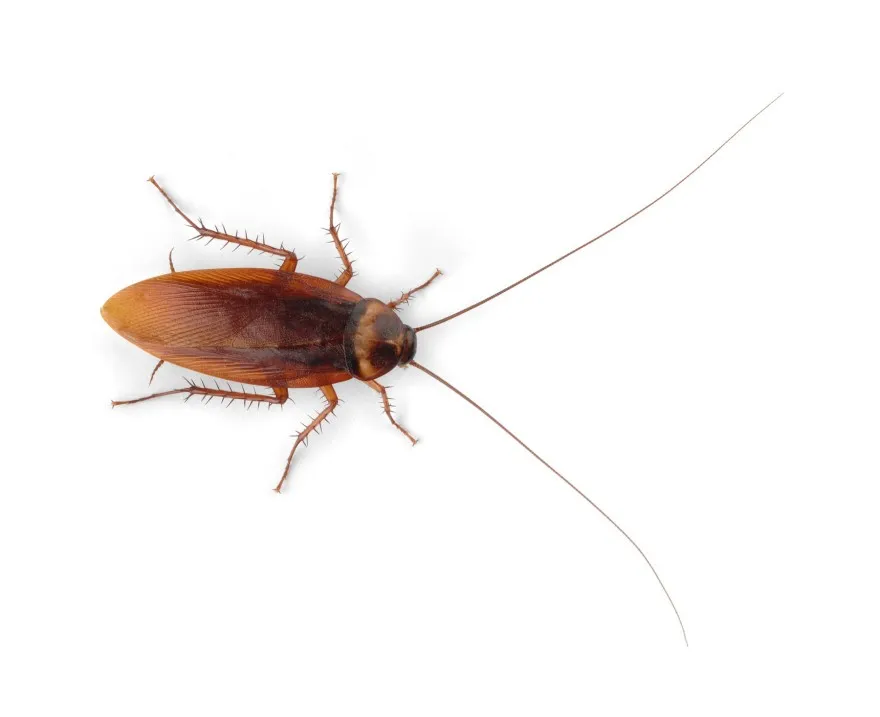
Cockroaches, often simply called roaches, are a common household nuisance. While they are certainly unpleasant to see, they can also affect indoor hygiene if they become established in a home. Roach debris and droppings can contribute to indoor allergens, which may trigger asthma symptoms in some children, and they can carry bacteria associated with illnesses such as salmonella and gastroenteritis.
A basic can of spray is not going to do the trick, unfortunately. All a basic repellent will do is push the roaches further into hiding, usually in tiny spaces in the walls or behind kitchen counters and stay dormant until they believe it’s safe – they can stay hidden there for months on end – which only adds to the problem later. So how do you get rid of roaches thoroughly and effectively?
At Dominion Pest Control, we help homeowners, renters, and property managers get rid of roaches safely while putting preventative measures in place to help keep them from returning.
Most Common Types of Roaches in Pennsylvania
First, let’s get to know these pests a little better. In Pennsylvania, there are 5 main types of roaches.
GERMAN COCKROACH
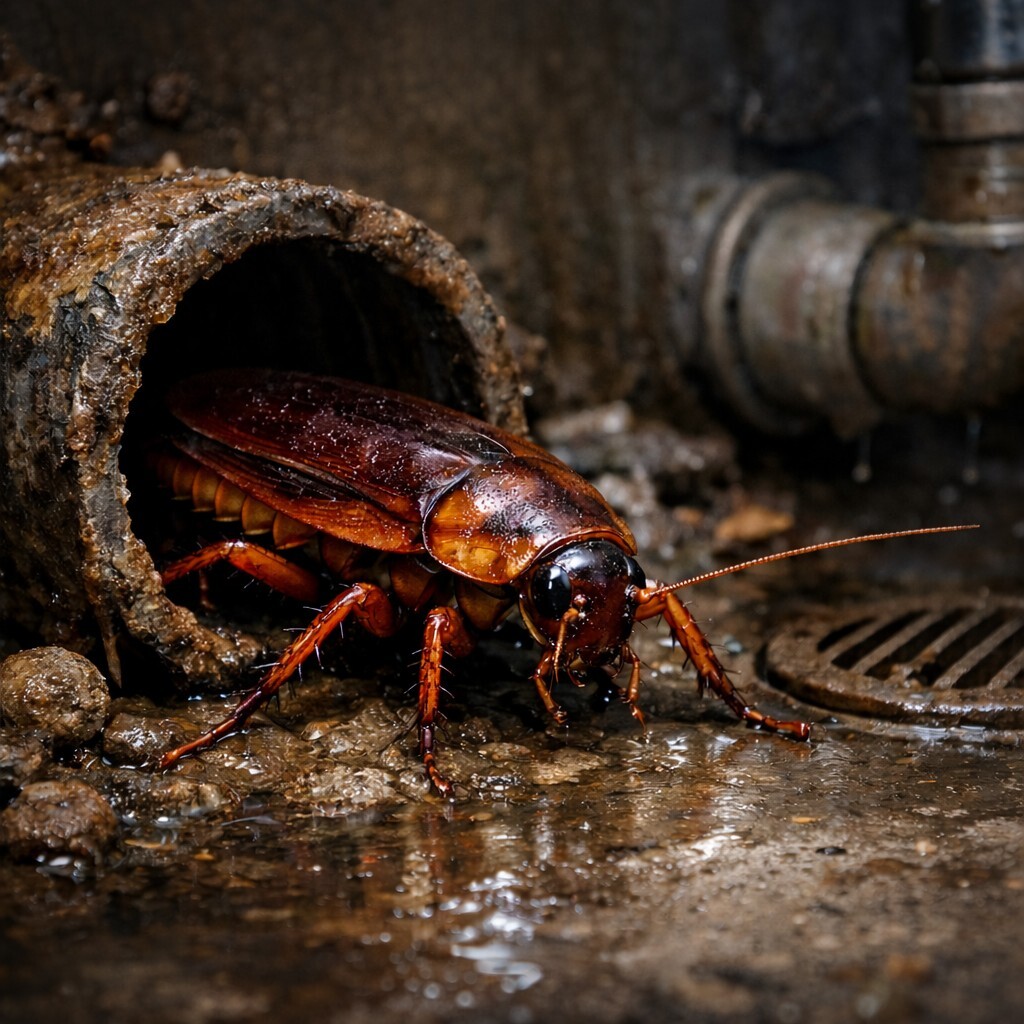
The most common type of domestic roach in the U.S. is the German cockroach. This type of roach has a tannish color and two parallel dark stripes. German roaches are most often tied to indoor infestations in kitchens, bathrooms, and anywhere warmth, moisture, and food are easy to find.
BROWN-BANDED COCKROACH
Another common type of roach is the brown-banded cockroach, which has two light brown stripes stretching across its abdomen. Brown-banded roaches can be found in drier areas than German roaches, and may show up in bedrooms, living spaces, and furniture.
AMERICAN COCKROACH
Often called “the big roach,” this is a larger roach that may show up in basements, mechanical rooms, drains, and commercial settings such as restaurants and food facilities where sanitation standards and pest prevention are part of broader food safety and food defense auditing services. They are commonly associated with moisture and plumbing access.
ORIENTAL COCKROACH
A darker, shinier roach often linked to damp areas like basements, crawl spaces, floor drains, and around leaky plumbing. They tend to be slower moving and are frequently confused with other dark insects.
PENNSYLVANIA WOOD COCKROACH
These are outdoor roaches that typically live in woodpiles, leaf litter, and decaying wood. They do not usually form indoor breeding infestations, but can wander inside, especially around lights at night.
Roach vs. Ground Beetle vs. Water Bug
A lot of “roach calls” start with a misidentification. Here’s how to tell the difference.
Roach
- Fast runners, flattened bodies
- Long antennae
- Often seen near kitchens, bathrooms, basements, drains, and appliances
- Indoor breeders (especially German roaches) can multiply quickly
Ground Beetle
- Often dark, shiny, and more “hard-shelled” looking than a roach
- Typically an outdoor insect that wanders inside by accident
- Less likely to congregate in kitchens or bathrooms
- Does not create the same type of indoor infestation as roaches
“Water Bug”
“Water bug” is a nickname people use for multiple insects. Sometimes they mean a large roach (often American roach). Other times they’re describing aquatic insects that are not roaches at all. If you’re seeing insects near drains, sump pumps, basements, or plumbing access, we can identify exactly what’s going on and treat it with the correct pest control methods.
When Are Roaches Most Active in Pennsylvania?
Roaches can remain active indoors year-round because homes and commercial buildings provide stable warmth, food, and moisture. However, environmental conditions across Pennsylvania can influence how and when infestations become noticeable.
- Spring through fall: As temperatures and humidity rise, roaches become more active outdoors and may migrate inside through drains, foundations, and utility penetrations. This tends to be more noticeable in southeastern Pennsylvania and the Philadelphia region, where warmer, more humid summers support higher insect activity.
- Urban and industrial areas: Cities such as Philadelphia, Pittsburgh, and other dense boroughs often see more persistent roach activity due to older infrastructure, shared walls in multi-unit housing, and abundant food sources. Basements, sewer connections, and commercial kitchens provide ideal conditions.
- Rural and agricultural regions: In areas such as Lancaster County and the broader central Pennsylvania farmland, roaches may be less associated with dense housing but can still appear in barns, grain storage areas, and basements where moisture and organic material are present.
- Mountain and northern regions: In the Allegheny Plateau and northern Pennsylvania, cooler outdoor temperatures may slow roach activity outside, but once they establish inside heated buildings they can remain active and reproduce throughout winter.
- During heat waves: Roaches often seek cooler, damp indoor environments such as basements, drains, and mechanical rooms.
- Winter months: Roaches already established indoors continue breeding, especially in heated multi-unit buildings, restaurants, and commercial facilities.
If you see roaches during the daytime, that can be a sign that the population is high and available hiding spaces are becoming limited. It’s time to call your local pest control experts.
Signs of a Roach Infestation
Roaches are experts at staying hidden. Common signs include:
- Seeing live roaches at night (or during the day in more severe infestations)
- Small dark droppings that look like pepper or coffee grounds
- Smear marks along walls, baseboards, cabinet edges, or near plumbing openings
- A musty odor in cabinets, pantries, or utility areas
- Egg cases (oothecae) or shed skins in hidden areas
When cockroaches breed, females deposit their eggs in cases known as oothecae. These cases can contain up to 40 eggs each. Because roaches breed so rapidly, it is important to get rid of them as soon as possible.
How to Get Rid of Roaches in Your House
There are several steps homeowners can take to make their homes less attractive to cockroaches. Good sanitation, moisture control, and targeted treatments can significantly reduce activity. However, because roaches reproduce quickly and hide in difficult-to-reach areas, lasting control usually requires a combination of prevention and professional pest management.
Many homeowners start with do-it-yourself efforts, but when populations grow or keep returning, professional treatment from Dominion Pest Control can help address the problem more completely.
Eliminate Food Sources
Roaches are opportunistic feeders and will consume almost anything available. Keeping kitchens clean and free of crumbs can make a major difference in reducing activity. Wiping down counters after meals, avoiding dirty dishes left overnight, storing food in airtight containers, and taking trash out regularly all help remove the food sources that allow roaches to thrive. Even small amounts of grease or crumbs under appliances can support a roach population if they are left undisturbed.
Eliminate Excess Moisture
Roaches can survive much longer without food than they can without water, which is why they are commonly found near sinks, drains, and plumbing lines. Repairing leaking pipes or faucets, reducing condensation around appliances, and addressing damp basements or crawlspaces can make your home far less attractive to roaches. Improving ventilation in bathrooms, kitchens, and basements can also help limit the moisture conditions that roaches depend on.
Seal Cracks and Entry Points
Preventing roaches from entering your home is another important step in reducing infestations. Small gaps around doors, windows, plumbing lines, and foundations often serve as hidden entry points. Sealing cracks with caulk, installing weatherstripping around doors, and closing openings around pipes or utility penetrations can help block these pathways. While sealing entry points will not eliminate roaches already inside, it can significantly reduce the chances of new ones entering.
Clean and Vacuum Regularly
Regular cleaning and vacuuming help remove food particles, shed skins, and droppings that can attract other cockroaches. Paying attention to baseboards, cabinet corners, furniture edges, and the areas behind and under appliances can help eliminate many of the places where roaches hide. In tight spaces, compressed air can sometimes flush roaches out of hiding areas so they can be vacuumed or removed more easily.
Set Traps and Baits
Monitoring traps and bait products can help reduce roach activity and provide insight into where the insects are traveling. Glue traps can capture roaches and help identify problem areas within the home. Gel baits are often more effective than sprays because roaches carry the bait back to their hiding areas, allowing the active ingredient to spread throughout the population. Smaller bait placements in multiple locations are typically more effective than applying large amounts in just a few places.
Use Insecticides Carefully
Some homeowners choose to use insecticides such as boric acid, diatomaceous earth, or over-the-counter sprays to reduce roach activity. When used properly, these products can kill roaches that come into contact with them. However, sprays in particular may only kill visible insects and can sometimes cause roaches to scatter deeper into walls and hidden spaces. For this reason, insecticides are usually most effective when used as part of a broader, professional pest control strategy rather than as the only method of treatment.
Interrupt the Roach Life Cycle with IGRs
One of the biggest challenges with roach control is their ability to reproduce quickly. Female cockroaches only need to be impregnated one time to produce multiple egg sacs filled with baby roaches. With just one fertilized female, a population can expand rapidly if the infestation is not addressed.
The most reliable way to stop roach populations from multiplying is with an insect growth regulator, often called an IGR. These products disrupt the cockroach life cycle by tricking immature roaches into “believing” they have already reached adulthood. As a result, their growth process stops and they never develop into reproductive adults. Since roaches can only reproduce once they reach full maturity, IGRs help prevent new generations from forming.
While it is extremely difficult to eliminate cockroaches entirely from the environment, using an IGR removes the population’s ability to repopulate. Professional pest control services, including Dominion Pest Control, commonly incorporate IGRs along with targeted baits, monitoring, and exclusion techniques to bring infestations under control and keep them from returning.
How to Get Rid of Roaches in Your Apartment
Roach problems in apartments can be more complicated because cockroaches are able to travel between units through shared walls, plumbing lines, and utility spaces. Even when one resident maintains a clean home, roaches can migrate from neighboring apartments.
Focus on What You Can Control
Inside your unit, sanitation and moisture control remain the most important steps. Keeping food sealed, cleaning regularly, repairing leaks, sealing gaps around pipes, and vacuuming frequently can help make your apartment less attractive to roaches and reduce the chances that they will settle in.
Avoid Relying on Sprays Alone
Sprays can kill roaches on contact, but they rarely solve the root of the problem. In many cases, spraying can drive roaches deeper into wall voids and shared spaces where they continue breeding. If sprays are used, they are best treated as a quick knock-down tool rather than the primary method of control.
Use Baits and Monitoring
Gel baits placed in small amounts in multiple areas can help reduce activity by allowing roaches to carry the bait back to their hiding places. Sticky monitoring traps can also help show where roaches are traveling and how severe the infestation may be.
Because roaches move between units, however, successful control often requires coordinated treatment throughout the building. Professional pest management can address hidden areas such as wall voids, pipe chases, and shared spaces where roaches commonly spread. Dominion Pest Control works with both residents and property managers to implement strategies that reduce roach populations and help prevent them from continuing to spread.
Common Options We Do Not Recommend
When trying DIY methods to keep roaches away, one thing we recommend against is the use of foggers, roach bombs that spray pesticides into the air.
Most roach bombs are designed to be activated in the center of the room. When these devices go off, they cause pesticide to fall to the ground, coating indoor surfaces and killing target pests.
Unfortunately, roach bombs are extremely toxic as well as flammable. They also tend to push roaches deeper into walls and hidden voids, which can make the problem harder to solve long-term.
What Are My Next Steps for Successful Roach Control?
The methods above will help you to keep roaches away, but they provide only a temporary means of pushing roaches further into hiding. Roaches can often remain hidden for several months. In turn, they can often complete entire life cycles in your home and cause large scale infestations.
For an effective, safe, and more permanent way to get rid of roaches, we recommend scheduling service. The contact form at the right of this page is a great place to start.
How to Prepare for Your Exterminator
A little prep helps treatments work faster and more thoroughly. Please read our Roach Preparation Sheet.
Additionally, before your service:
- Clear items from under sinks (kitchen and bathroom) so we can access plumbing lines and voids
- Remove clutter near walls, behind toilets, and around appliances if possible
- Wipe down heavy grease and crumbs so baits and targeted products attract roaches, not leftover food
- Take out trash and replace liners
- If you have pets, ask us about any precautions for food bowls, aquariums, and pet access during treatment
- Make note of where you’ve seen roaches (time of day and exact locations), and share it with the technician