Termites

How do you know if you have termites?
July 18, 2022If you suspect that you might have termites, it is important to know how to identify them. Termites can cause significant damage to your home if they are left untreated, so it is important to get rid of them as soon as possible. In this blog post, we will discuss the signs of a termite infestation and what you should do.
Maze-like patterns in furniture, floorboards, or walls, are a common sign of termites that are easily recognizable. If you see these patterns, it is likely that there is an infestation. However, there are many more subtle signs that you might have termites. For example, wood may crumble or be damaged. You might also notice that your doors or windows are sticking, or that there are small pinpoint holes in your walls. Let’s dive into some lesser-known signs that will help you determine if you have termites.

How Much Does It Cost To Get Rid Of Termites?
March 12, 2022Termites can be extremely costly for homeowners to deal with. If you have a termite infestation (or suspect an infestation), you may be nervous about how much you’ll have to spend to get rid of these pests. So let’s get right to it. How much does it cost to get rid of termites?
Most professional termite exterminators charge somewhere between $400 to $700. That said, it could cost as much as $900 or more, depending on the exterminator, your location, and how big your house is.
Keep reading to find out what else you should be thinking about when preparing for professional termite removal.
How To Tell If You Have Termites In Your Walls
January 14, 2022Termites can remain hidden inside walls and structural wood for a long time before homeowners notice obvious damage. By the time visible signs appear termites may have already been active for some time.
For Pennsylvania homeowners, Eastern subterranean termites are the primary concern. These termites live underground and can enter homes through soil-to-wood contact or other concealed routes. At Dominion Pest Control, we identify Eastern subterranean termites as the most common termites in Pennsylvania and the species responsible for most termite damage in the state.
So, what are the signs of termites in walls? Look for several clues together rather than relying on one symptom. Some of the most useful indicators include changes to painted surfaces, damaged wood, discarded wings, mud tubes and small holes.
What Are the Signs of Termites in Walls?
Bubbling or peeling paint
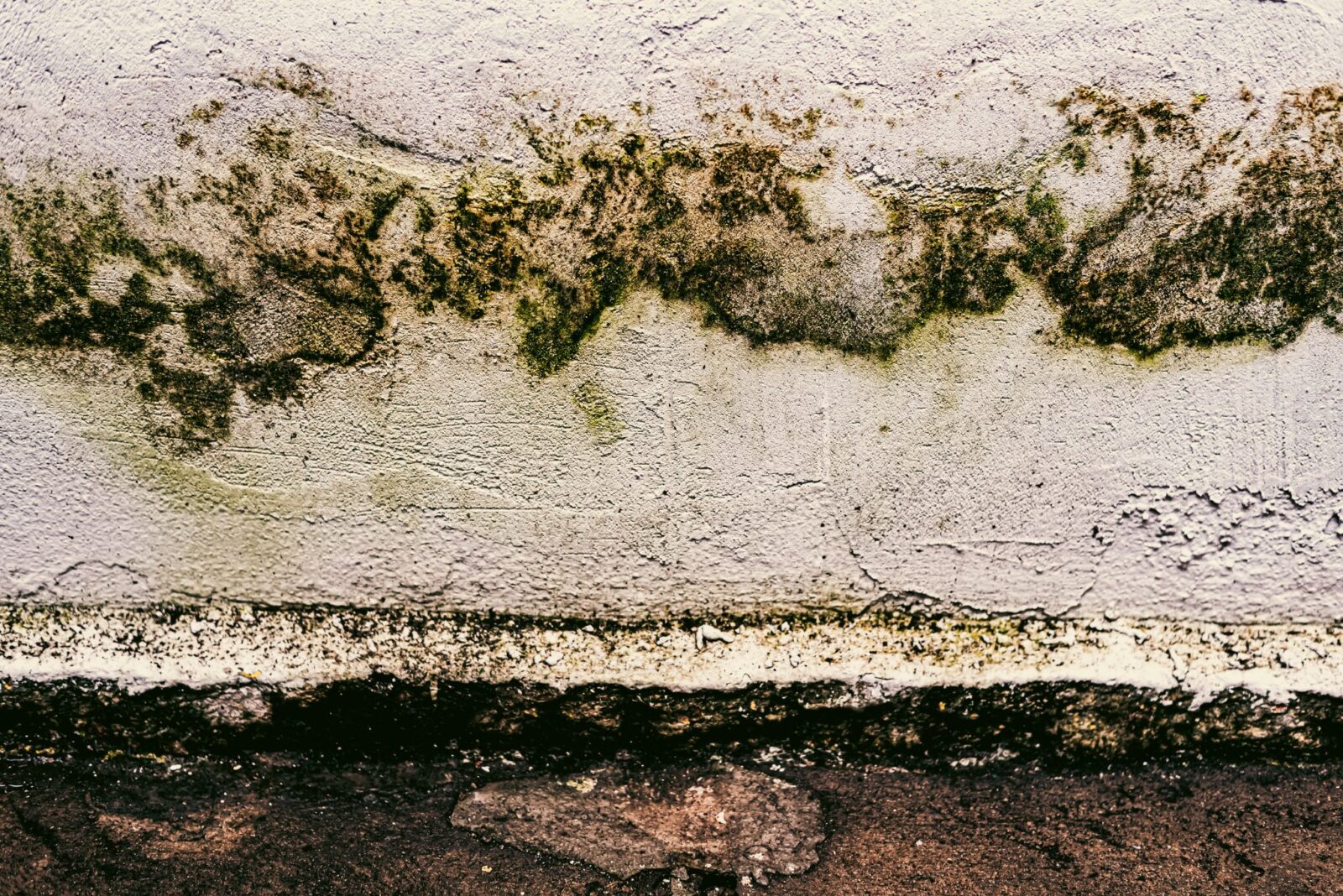
Paint that suddenly bubbles, blisters or peels can sometimes indicate termite activity beneath the surface. Termites may tunnel close to the surface of drywall or wooden trim, creating changes that resemble moisture damage.
However, bubbling paint alone does not prove termites are present. Leaks, humidity and other moisture problems can produce similar results. Look for additional evidence around the affected area before assuming the cause is termites.
Small holes or faint tunnels
Tiny holes, faint lines or maze-like patterns may appear where termites have traveled through or close to the surface of a wall or nearby wood.
Pay particular attention when several holes appear around baseboards, door frames, window frames or wooden structural components. A single hole may have another explanation, such as an old nail hole or damage from another insect.
Discarded wings or termite swarmers
Finding piles of small, translucent wings near windows, doors or light sources can be a strong indication of termite activity. Winged reproductive termites, known as swarmers, leave established colonies to start new ones and shed their wings afterward.
Termite swarmers can be confused with flying ants, so identification matters. If you find suspected swarmers inside your home, save a few if possible or photograph them rather than assuming what they are. we note that distinguishing termite swarmers from ants can require a trained eye.
Mud tubes
Mud tubes are one of the clearest clues associated with subterranean termites. These narrow, soil-based tunnels allow termites to travel between their underground colony and a food source while remaining protected from drying out.
Look for tubes along foundation walls, basement areas, crawl spaces and structural wood.
However, not finding a mud tube does not rule out termites. Our own termite guidance notes that termites can sometimes be present in wood without building visible shelter tubes.
Hollow or weakened wood
Termites consume wood from the inside, which can leave a thin outer surface while much of the interior has been damaged. Affected wood may sound hollow when tapped or feel unusually weak.
Check accessible wood around walls, basement areas, doors and windows for changes in texture or strength. This can be particularly important when other termite evidence is present nearby.
Doors or windows that suddenly stick
A door or window that becomes difficult to open or close can sometimes indicate damage to the surrounding wooden frame.
Still, this is not a termite-specific symptom. Seasonal humidity and normal expansion of wood can also cause sticking. The clue becomes more significant, when it appears with other evidence, such as damaged wood, pinholes, or discarded wings.
Frass or sawdust-like material
Small piles of dry, granular material around wood can sometimes be associated with termite activity, particularly with drywood termites. But this clue should be interpreted carefully in Pennsylvania, where subterranean termites are the primary concern.
Other insects and ordinary wood deterioration can also produce debris. Do not assume that every sawdust-like pile is termite frass without identifying its source.
Where Should You Look for Subterranean Termites?
Because subterranean termites enter structures from the soil, areas near the foundation deserve particular attention.
Dominion’s Pennsylvania termite guidance specifically points to locations such as:
- Basement sills
- Garage door frames
- Areas where wood contacts the ground
- Basement stairs surrounded by concrete
- Other areas where structural wood may be accessible from the soil
These locations can provide useful clues even when there is little evidence inside the home’s living areas. Basements, crawl spaces and areas with moisture problems also deserve attention, as these conditions can create favorable circumstances for subterranean termites.
Can Termites Be Inside Walls Without Visible Damage?
Yes. Termites can remain concealed inside structural wood or wall cavities, so the absence of obvious damage does not necessarily mean the home is termite-free.
This is why a professional inspection should look beyond visible wall surfaces. A technician can examine accessible structural areas and investigate evidence that may not be apparent to a homeowner.
Trying to diagnose an infestation based on a single symptom can also lead to the wrong conclusion. Moisture damage, carpenter ants, wood rot and other conditions can resemble termite damage.
How Does Dominion Inspect for Termites?
If you find several possible signs, the next step is determining whether termites are actually present.
Our technicians conduct termite inspections to identify termite activity and assess the affected areas. The inspection can include checking structural wood, foundations and other locations where termites may enter or travel through the property. We specifically identify basement sills, garage door frames and wood-to-ground contact as areas that may warrant close attention.
Suspect wood may also be assessed for evidence of termite activity. Our termite guidance also notes that technicians may probe suspect wood as part of their assessment for termite activity.
The goal is not simply to find a suspicious mark and assume it is termites. A proper inspection helps distinguish termite activity from moisture damage, rot and other wood-destroying insects before determining whether treatment is necessary.
What Should You Do If You Suspect Termites?
If you notice several possible signs, do not wait for more obvious structural damage.
Take photographs of anything unusual, including mud tubes, discarded wings, damaged wood or wall changes. If you find insects, save a few in a container if it is safe to do so, since identification can help determine whether they are termites or another insect.
Avoid relying on do-it-yourself treatment based only on visible evidence. The termites you see may not be where the colony or primary source of activity is located.
A professional inspection can determine whether termites are present and help identify the appropriate next step.
We provide termite and wood-destroying insect services throughout Berks, Chester, Cumberland, Dauphin, Lancaster, Lebanon and York counties in Pennsylvania.
Frequently Asked Questions
Can termites live inside walls without being seen?
Yes. Termites can remain concealed inside structural wood or wall cavities. Homeowners may notice secondary signs such as damaged wood, mud tubes, discarded wings or changes to painted surfaces before seeing live termites.
What are the earliest signs of termites in walls?
Early clues can include small holes, bubbling paint, faint tunnel-like patterns, weakened wood or discarded wings. None of these signs confirms an infestation by itself, so several indicators should be considered together.
Are mud tubes always present?
No. Subterranean termites commonly use mud tubes, but termites can sometimes be present in wood without obvious shelter tubes. Their absence does not eliminate the possibility of an infestation.
Can bubbling paint mean termites?
It can, but moisture is another common cause. Bubbling or peeling paint should be evaluated alongside other evidence rather than treated as proof of termite activity.
Should I remove a termite mud tube?
It is better to photograph the tube and have the area inspected rather than simply removing it. Its location can provide useful information about possible termite activity.
How quickly should suspected termite activity be inspected?
It is best to arrange an inspection promptly when you find multiple signs, live termites or swarmers. Early identification can help determine whether there is active termite activity and prevent a concealed problem from becoming more extensive.

Pennsylvania, Get Rid of Termites with the Power of Bora-Care
February 22, 2021Termites are nasty, wood-destroying beetles that are often mistaken for flying ants. They can do severe damage to ceilings, floors, furniture…wood surfaces in general. For Pennsylvania property, few insects are more dangerous than termites.
Dominion Pest Control technicians are trained experts in the application of reactionary liquid termite treatments and pretreating for termites and other wood destroying insects with borate treatments, specifically, the use of Bora-Care. This is an increasingly popular choice of termite control in Pennsylvania.
Get Rid of Termites Lancaster PA
December 21, 2012If you are trying to figure out how to get rid of termites in Lancaster PA, we have good news for you. Lancaster’s truly local termite company, Dominion Pest Control, has an expert on staff who not only knows how to identify a termite infestation in Lancaster County, but knows how to get rid of the entire termite colony.
Dominion’s senior technician, Christopher Komarow, aka “Mr. Termite” has been killing termites in Lancaster and other counties in PA for over fifteen years. Chris has killed billions of termites in his career, and is very proud that he saved thousands of homes and businesses in Pennsylvania.
One of the keys to Dominion’s termite success in the Lancaster County area is due to the amount of training and knowledge that their technicians receive before going out and treating for termites. “You can’t just point and spray”, explains Dominion owner, Gregory Pettis. “If takes knowledge and experience to find the termite colony, and to determine the best way to kill it. Every home and business is different, with different types of soil, grades, and conditions”.
Pettis does not encourage homeowners to try and get rid of termites in Lancaster by themselves, due the volume of pesticide required. Additionally, only termite control companies such as locally owned Dominion Pest Control has the tools necessary to pump termiticide into the soil around a structure.
If you would like to get rid of termites at your Lancaster PA home, print out the coupon below and call Dominion today: 717-393-7879.
How to Kill Termites
April 5, 2009Q. How do I kill termites?
A. If you need a termite treatment, you may not want to wait too long before calling us—termites do quite a bit damage quickly. This is your home we are talking about, one of your greatest investments literally being eaten!
In Lancaster and York, PA, it is important to use a non-repellent insecticide on termites so they do not move down the road to the neighbors, but instead, die right where they are. Using technology that allows the termites to transfer the product one to another, we can shut down a termite colony with one-million members within three months! Not only will Dominion Pest Control kill the current termites attacking your home, our treatment will kill any other termite colony that comes in contact with the treatment for over one decade! Now that’s taking control!
Can Termites Go Away On Their Own?
March 8, 2009Q. Can termites go away on their own after they have invaded a home or business?
A. Yes, they can go away on their own. Why is it a scary answer? Because you never know when they are going to come back! Without a termite treatment, there is no way of knowing when a healthy termite colony will return to re-infest a structure. “What made them go away in the first place?”, is a better question. One thing I know, is that waiting without doing a single thing to stop that colony is like playing Russian Roulette with your home. Over the years, I have seen people eager to sell a home, force a pest control company who is providing a Wood Destroying Insect inspection, give a green light to a house that once had termites, without evidence of a treatment. And, I have heard the horror stories of lawsuits after settlement when the termites decide to return. Even though we agree that they may go away on their own, more should know that termites may come back on their own, with a vengeance!
Carpenter Ants
February 20, 2008When it comes to Carpenter Ants, the biggest question many people have is, “Are they in the house or are they coming from the outside?” This is a great question, and there are some ways to try and figure it out. Carpenter Ants can be a real problem if they are nesting in the house. Before you start spraying everything you can find under the kitchen sink on these ants, let us make sure they are Carpenter Ants, and not some other species. If you have black (not dark brown) ants that can be different sizes when found, you probably have Carpenter Ants. The same colony can have small and big members. Size is not a real factor in determining if you have them, so do not spend a lot of time analyzing this variable. A better idea is to determine where they are coming from (we will talk about this later).
One the sure way of knowing that you have an infestation inside the home is if you find “flying ants” or “swarmers”, as we in the pest control industry prefer to call them. Flying ants inside are never a good sign. But before you get all worked up, make sure they are not termites. You will be thankful when you determine it is just ants if that is what it is! If you do determine that they are termites, call a professional company and consider having a professional treatment before you try to tackle them yourself. Mistreating a termite colony could cost you thousands of dollars in the long run. The easiest way to determine if you have ants (whether Carpenter Ants or other) is to look for three distinct body parts. With ants, the head, thorax and abdomen are all visible to the naked eye. Termites appear to only have two segments. However if in doubt, call in a pest control company to make sure. Most companies have a “free inspection policy” and will not charge to tell you what kind of bugs you have.
Another way to determine if the ants are nesting in the home is to note the time of year. If you have Carpenter Ants roaming around the house in the middle of the winter and it is cold outside, they are definitely not coming from the outside! This is also possibly something you will see in the late winter-spring. “Ok, what do I do now?” you ask, itching to kill these things. Well hold on, before we get into that, let’s talk about some habits these home-wreckers have.
The biggest thing you need to know about Carpenter Ants is that they need water to survive. Although their primary diet is dead insects, they will always need a water source. It is usually outside–such as a bird bath, a clogged gutter, poor landscaping or some other drainage issue. Worse yet, the water source may be inside. “What?” you may ask. It is true, it can be inside your home. Many times homeowners have told me horror stories about that tiny leak under the bathtub or kitchen sink they never knew about under one day… Carpenter Ants started showing up and someone suggested a leak. Or, it could condensation on pipes in a crawl space. And what about improperly sealed shower stalls? All these things contribute to attracting Carpenter Ants. They say to themselves, “Why live outside in the elements when we can live can live here with our primary staple (water).” They certainly are not stupid creatures, as King Solomon noted and encouraged lazy people to go and learn from them.
Another habit worth noting is that they are primarily nocturnal. Most of the ones you see during the day are just scouting the situation out. A lot of people report to me that they see them only in the early morning. This is the graveyard shift getting ready to clock out. They most likely found a gold mine in the sink from last night’s dishes that were washed.
Now let us talk about control. First, you must determine where the colony is hiding. It may be far away from the sightings and you may never find them without help. A good idea is to look outside during the late afternoon on the perimeter of your home for “ant trails”. If you find them going up the side of your home, follow them. Especially if they are carrying something like a dead insect-they are always going back to the nest with it and will lead you to some idea as to where it may be. It could be in the attic, or one of your eaves, a basement sill area, or simply between your walls. If you can find the nest and want to treat it yourself, using a powder or “dust” is one way to kill the colony by using a bulb-duster and pumping the powder into the hole on the outside where they disappear into. Sometimes though, this can make matters worse, you may end chasing them deeper into your house and then they manifest in areas you were not seeing them in before. Using a general spray insecticide can hold them off on the inside, but could end up causing the situation to become more severe with their speading-out in areas where they are not visible.
After treating Carpenter Ants for more than a decade, I do want to encourage you consider calling a professional who has access to professional products that may discourage the ants from moving around and dying right where they are. An example of this would be baits or non-repellents that act like a virus to the colony. If your concern is financial, please consider that mistreating Carpenter Ants could result in serious damage to your home long-term, and translate into repairs that seriously out-way the cost of a professional treatment. To learn more click on the video below.
- 1
- 1-8 of 8 results