How To Tell If You Have Termites In Your Walls
January 14, 2022Termites can remain hidden inside walls and structural wood for a long time before homeowners notice obvious damage. By the time visible signs appear termites may have already been active for some time.
For Pennsylvania homeowners, Eastern subterranean termites are the primary concern. These termites live underground and can enter homes through soil-to-wood contact or other concealed routes. At Dominion Pest Control, we identify Eastern subterranean termites as the most common termites in Pennsylvania and the species responsible for most termite damage in the state.
So, what are the signs of termites in walls? Look for several clues together rather than relying on one symptom. Some of the most useful indicators include changes to painted surfaces, damaged wood, discarded wings, mud tubes and small holes.
What Are the Signs of Termites in Walls?
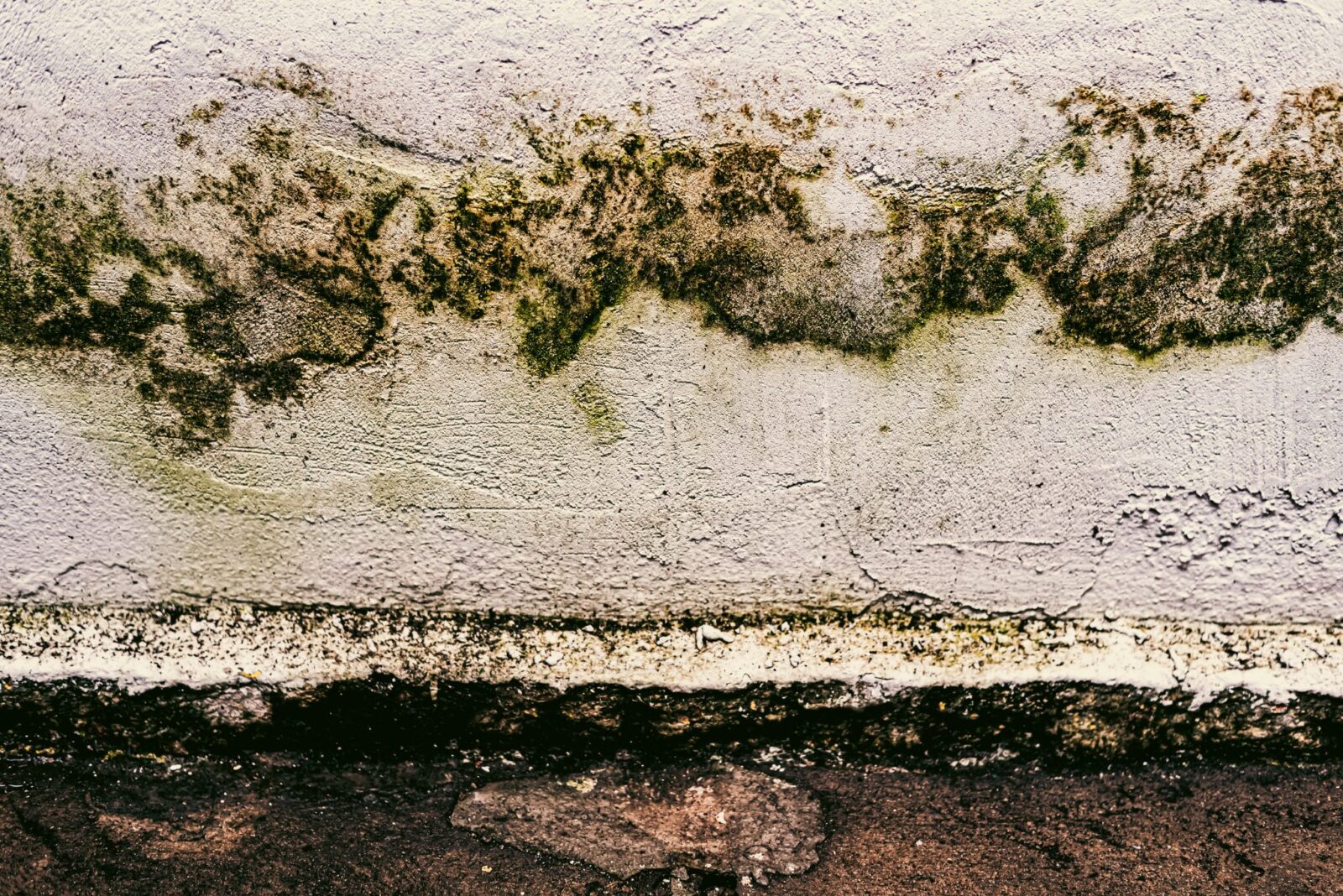
Bubbling or peeling paint
Paint that suddenly bubbles, blisters or peels can sometimes indicate termite activity beneath the surface. Termites may tunnel close to the surface of drywall or wooden trim, creating changes that resemble moisture damage.
However, bubbling paint alone does not prove termites are present. Leaks, humidity and other moisture problems can produce similar results. Look for additional evidence around the affected area before assuming the cause is termites.
Small holes or faint tunnels
Tiny holes, faint lines or maze-like patterns may appear where termites have traveled through or close to the surface of a wall or nearby wood.
Pay particular attention when several holes appear around baseboards, door frames, window frames or wooden structural components. A single hole may have another explanation, such as an old nail hole or damage from another insect.
Discarded wings or termite swarmers
Finding piles of small, translucent wings near windows, doors or light sources can be a strong indication of termite activity. Winged reproductive termites, known as swarmers, leave established colonies to start new ones and shed their wings afterward.
Termite swarmers can be confused with flying ants, so identification matters. If you find suspected swarmers inside your home, save a few if possible or photograph them rather than assuming what they are. we note that distinguishing termite swarmers from ants can require a trained eye.
Mud tubes
Mud tubes are one of the clearest clues associated with subterranean termites. These narrow, soil-based tunnels allow termites to travel between their underground colony and a food source while remaining protected from drying out.
Look for tubes along foundation walls, basement areas, crawl spaces and structural wood.
However, not finding a mud tube does not rule out termites. Our own termite guidance notes that termites can sometimes be present in wood without building visible shelter tubes.
Hollow or weakened wood
Termites consume wood from the inside, which can leave a thin outer surface while much of the interior has been damaged. Affected wood may sound hollow when tapped or feel unusually weak.
Check accessible wood around walls, basement areas, doors and windows for changes in texture or strength. This can be particularly important when other termite evidence is present nearby.
Doors or windows that suddenly stick
A door or window that becomes difficult to open or close can sometimes indicate damage to the surrounding wooden frame.
Still, this is not a termite-specific symptom. Seasonal humidity and normal expansion of wood can also cause sticking. The clue becomes more significant, when it appears with other evidence, such as damaged wood, pinholes, or discarded wings.
Frass or sawdust-like material
Small piles of dry, granular material around wood can sometimes be associated with termite activity, particularly with drywood termites. But this clue should be interpreted carefully in Pennsylvania, where subterranean termites are the primary concern.
Other insects and ordinary wood deterioration can also produce debris. Do not assume that every sawdust-like pile is termite frass without identifying its source.
Where Should You Look for Subterranean Termites?
Because subterranean termites enter structures from the soil, areas near the foundation deserve particular attention.
Dominion’s Pennsylvania termite guidance specifically points to locations such as:
- Basement sills
- Garage door frames
- Areas where wood contacts the ground
- Basement stairs surrounded by concrete
- Other areas where structural wood may be accessible from the soil
These locations can provide useful clues even when there is little evidence inside the home’s living areas. Basements, crawl spaces and areas with moisture problems also deserve attention, as these conditions can create favorable circumstances for subterranean termites.
Can Termites Be Inside Walls Without Visible Damage?
Yes. Termites can remain concealed inside structural wood or wall cavities, so the absence of obvious damage does not necessarily mean the home is termite-free.
This is why a professional inspection should look beyond visible wall surfaces. A technician can examine accessible structural areas and investigate evidence that may not be apparent to a homeowner.
Trying to diagnose an infestation based on a single symptom can also lead to the wrong conclusion. Moisture damage, carpenter ants, wood rot and other conditions can resemble termite damage.
How Does Dominion Inspect for Termites?
If you find several possible signs, the next step is determining whether termites are actually present.
Our technicians conduct termite inspections to identify termite activity and assess the affected areas. The inspection can include checking structural wood, foundations and other locations where termites may enter or travel through the property. We specifically identify basement sills, garage door frames and wood-to-ground contact as areas that may warrant close attention.
Suspect wood may also be assessed for evidence of termite activity. Our termite guidance also notes that technicians may probe suspect wood as part of their assessment for termite activity.
The goal is not simply to find a suspicious mark and assume it is termites. A proper inspection helps distinguish termite activity from moisture damage, rot and other wood-destroying insects before determining whether treatment is necessary.
What Should You Do If You Suspect Termites?
If you notice several possible signs, do not wait for more obvious structural damage.
Take photographs of anything unusual, including mud tubes, discarded wings, damaged wood or wall changes. If you find insects, save a few in a container if it is safe to do so, since identification can help determine whether they are termites or another insect.
Avoid relying on do-it-yourself treatment based only on visible evidence. The termites you see may not be where the colony or primary source of activity is located.
A professional inspection can determine whether termites are present and help identify the appropriate next step.
We provide termite and wood-destroying insect services throughout Berks, Chester, Cumberland, Dauphin, Lancaster, Lebanon and York counties in Pennsylvania.
Frequently Asked Questions
Can termites live inside walls without being seen?
Yes. Termites can remain concealed inside structural wood or wall cavities. Homeowners may notice secondary signs such as damaged wood, mud tubes, discarded wings or changes to painted surfaces before seeing live termites.
What are the earliest signs of termites in walls?
Early clues can include small holes, bubbling paint, faint tunnel-like patterns, weakened wood or discarded wings. None of these signs confirms an infestation by itself, so several indicators should be considered together.
Are mud tubes always present?
No. Subterranean termites commonly use mud tubes, but termites can sometimes be present in wood without obvious shelter tubes. Their absence does not eliminate the possibility of an infestation.
Can bubbling paint mean termites?
It can, but moisture is another common cause. Bubbling or peeling paint should be evaluated alongside other evidence rather than treated as proof of termite activity.
Should I remove a termite mud tube?
It is better to photograph the tube and have the area inspected rather than simply removing it. Its location can provide useful information about possible termite activity.
How quickly should suspected termite activity be inspected?
It is best to arrange an inspection promptly when you find multiple signs, live termites or swarmers. Early identification can help determine whether there is active termite activity and prevent a concealed problem from becoming more extensive.