bed bug infestation
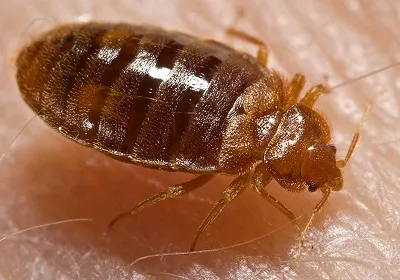
How a Small Bed Bug Infestation Becomes a Bigger Problem: What Happens If You Wait to Treat It?
September 8, 2021Bed bugs spread faster than most people expect, because they’re constantly breeding and hiding in spots people use every day. One pregnant female is all it takes to start an infestation that can grow into the hundreds over time. They usually get around by hitching a ride in luggage, furniture, clothing, and other belongings, which is exactly how they end up spreading through a whole house.
Finding one bed bug is enough to make most homeowners start checking the mattress, sheets, and bedroom furniture. And honestly, that’s a good reaction. A small infestation is easier to deal with before the bugs have had time to settle into more areas of the home.
Bed bugs don’t need much space to hide. They can stay tucked into mattress seams, cracks in furniture, or small gaps around a bed and come out when they’re ready to feed. If they’re left alone, the problem can grow quietly in the background.
That’s what makes early action so important.
Why can a small bed bug infestation become a bigger problem?
Bed bugs reproduce when they have access to a person to feed on and a suitable place to hide. Females lay eggs, those eggs hatch, and the young bugs continue developing until they become adults that can reproduce themselves.
So the problem can build on itself.
A homeowner might notice only one or two bugs at first and assume they were carried in recently. Sometimes that’s true. But if there are already eggs or additional bugs hiding nearby, the infestation may be further along than it appears.
Waiting to see whether the problem goes away on its own usually isn’t a great bet.
Why are early bed bug signs easy to miss?
Bed bugs are good at staying out of sight. During the day, they can remain hidden around sleeping areas and nearby furniture which means you may not see a live bug even when they’re present.
The signs can be easy to dismiss, too.
You might notice a few dark spots on bedding, small blood marks, shed skins, or bites that you can’t explain. None of these signs automatically proves there’s a bed bug infestation. Bites, in particular, can look different from person to person and can have other causes.
That’s why finding the actual insect or other evidence matters more than guessing from bites alone.
If something seems off around the bed, take a closer look instead of waiting for the signs to become more obvious.
Where do bed bugs hide as an infestation grows?
The bed is usually the first place people check, and for good reason. A sleeping person gives bed bugs a convenient source of food.
But they don’t stay on the mattress forever.
As an infestation grows, bed bugs may turn up in nearby furniture and other sheltered areas. They can hide around bed frames, headboards, nightstands, couches, upholstered chairs, baseboards, carpet edges, and cracks.
Some of these spots are easy to overlook during a quick inspection.
That’s part of the problem with treating only the place where you first saw a bug. There could be activity somewhere else that isn’t immediately visible.
How Fast Do Bed Bugs Crawl From Room to Room?
At peak speed, bed bugs can move as fast as 4 feet per minute. However, that’s their peak speed and they do not often move at that rate. Realistically, bed bugs can easily travel as much as 100 feet or more in just one hour.
That means that regardless of whether a bed bug is squeezing between cracks in walls or even taking “the long way” out the bedroom door and into the next bedroom’s door, they could travel from room to room in just a matter of an hour or less.
What happens when bed bugs move beyond the bedroom?
Once bed bugs have established themselves, they can move into other areas of a home. They crawl through accessible spaces and can also be carried from one place to another on clothing, bedding, furniture, luggage and other belongings.
If you’re asking how fast bed bugs spread, the answer depends on the circumstances. Their reproduction rate matters, but so does how easily they can move between hiding places or travel with items being carried around the home.
A bedroom infestation doesn’t automatically mean every room is affected. Still, it’s worth taking the possibility seriously, especially when signs start appearing outside the original sleeping area.
Can moving to another room make the problem worse?
It might seem like sleeping somewhere else would solve the immediate problem. Unfortunately, it doesn’t get rid of the bed bugs.
Bed bugs feed on people, so changing where you sleep can affect where they search for a host. Moving bedding, mattresses, upholstered furniture, or clothing from one room to another can create another issue by carrying bugs into places where they weren’t before.
In other words, don’t start moving everything around the house.
If you suspect bed bugs, keep potentially affected belongings where they are until the situation has been properly assessed. That can make it easier to determine where the activity is coming from and where treatment may be needed.
Why does waiting make bed bug treatment harder?
The longer an infestation continues, the more opportunities bed bugs have to reproduce and find new hiding places.
A problem that started around one bed may eventually involve nearby furniture or other parts of the room. If belongings have also been moved around, figuring out the original source can become more difficult.
This doesn’t mean every sighting turns into a major infestation. It does mean that ignoring repeated signs isn’t likely to make the problem simpler.
Early inspection can answer a much more useful question: are bed bugs actually present, and if so, where are they hiding?
What should you do if you suspect bed bugs?
Start by resisting the urge to move everything.
Don’t carry a suspected mattress or upholstered chair into another room. Don’t move bedding around the house. And don’t throw away furniture before you know whether it’s actually infested.
Instead, pay attention to where you’ve noticed signs. Check sleeping areas and nearby furniture, and keep track of anything unusual you find. A photo of a suspected insect can also be useful if you need to discuss the problem with a pest professional.
Most importantly, get an inspection if you continue finding signs or live bed bugs.
At Dominion Pest Control, our technicians look at the situation as a whole rather than focusing only on the spot where a homeowner happened to find a bug. The goal is to understand where activity is occurring and determine what treatment approach makes sense for the property.
Frequently Asked Questions
Can bed bugs spread to other rooms even if you don’t see them there?
Yes. Bed bugs can move into nearby areas or be carried there on clothing, bedding, furniture, luggage, and other belongings. Not seeing live bugs in another room does not necessarily mean there is no activity there.
How long can bed bugs go unnoticed?
A small infestation can go unnoticed for some time because bed bugs hide during the day and may be difficult to spot. Early signs such as dark spots, shed skins, blood marks, or a live bug can be easier to identify than bites alone.
Should you throw away furniture if you find bed bugs?
Not necessarily. Throwing away furniture without first confirming the infestation can be unnecessary and may create opportunities for bed bugs to spread. Suspected furniture should generally be assessed before deciding whether it needs to be discarded.
Can bed bugs spread to neighboring apartments or homes?
They can move between adjoining living spaces under some circumstances, particularly in buildings where units share walls or other connected spaces. If bed bugs are confirmed in one unit, nearby areas may also need to be considered during an inspection.
Conclusion
A bed bug infestation doesn’t always announce itself with dozens of bugs crawling around the bedroom. It can start quietly, with a few signs that are easy to overlook.
That’s why waiting for the problem to become obvious can backfire. If you keep finding unexplained signs around a bed or discover a live bed bug, don’t start moving furniture from room to room. Have the situation checked instead.
The sooner the source and extent of the problem are understood, the easier it is to decide what needs to happen next.
Bed Bugs: Eliminating the Creepy Crawly Critters
September 11, 2019Bed bugs are pesky little things, and no one is immune to them. These little critters can be found on every continent except Antarctica, making them one of the most invasive species in the world. What can be done about the buggers?
Fortunately, the helpful folks at Dominion Pest Control are extremely well-versed in bed bug elimination and prevention. Today, we want to pass some of our knowledge on to you! We’ll walk through the identification of bed bugs, treatment, and further prevention.
- 1
- 1-2 of 2 results