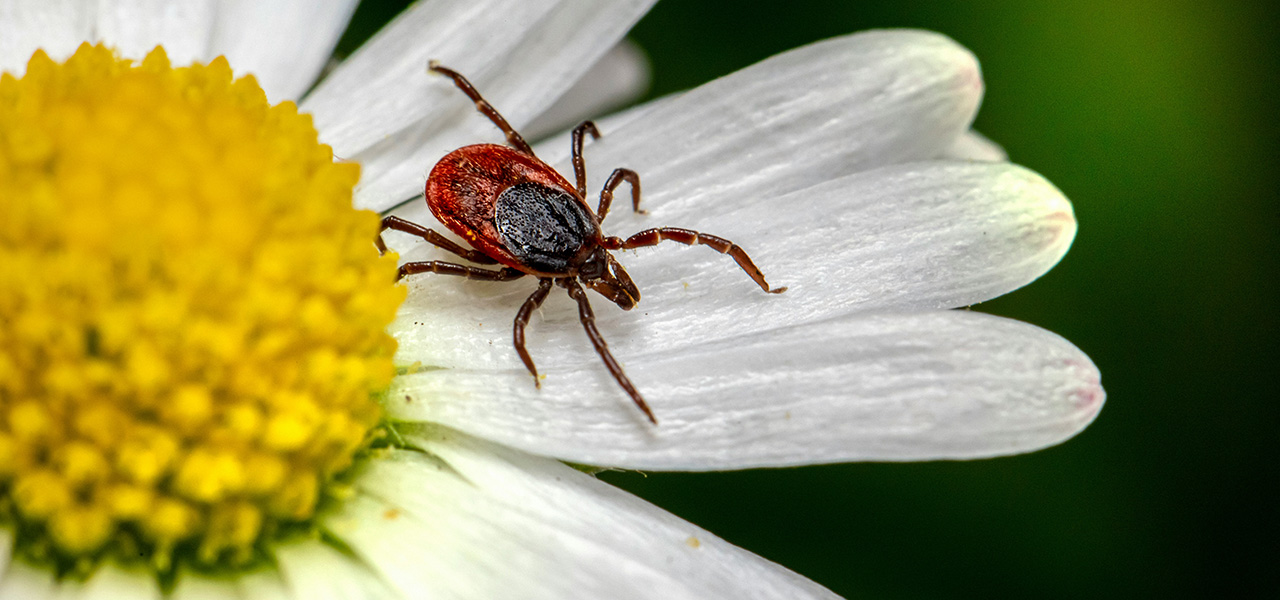
Do Ticks Live in Mulch and Landscaping Beds?
August 17, 2026Yes, ticks can live in mulch and landscaping beds, particularly when those areas are shaded, moist, covered with leaf litter, or surrounded by dense vegetation. Flower beds, gardens, ground cover, and ornamental landscaping can all provide the protected conditions some tick species need to avoid drying out.
That doesn’t mean every patch of mulch is crawling with ticks. A sunny, dry, well-maintained mulch bed is very different from a damp bed beneath dense shrubs along a wooded property line. The combination of moisture, shade, vegetation, leaf litter, and animal activity matters more than the mulch alone.
Pennsylvania homeowners should pay attention to these areas because the Pennsylvania Department of Environmental Protection identifies leaf litter, ground-cover plants, woodpiles, stone walls, tall vegetation, and wooded edges as common tick habitat. Ticks need relatively high humidity because they are highly susceptible to drying out.
If you are repeatedly finding ticks after gardening, doing yardwork, or spending time around landscaped areas, Dominion Pest Control can provide professional tick control targeted to the areas of your property where ticks are most likely to survive.
Why Can Mulch Become a Good Hiding Place for Ticks?
Mulch is a useful landscaping material precisely because it changes conditions at the soil surface.
Organic mulch helps retain soil moisture by shading the soil from the sun and moderates temperature extremes. Those are benefits for plants, but in certain locations they can also contribute to the cooler, more humid microclimate that ticks need.
Ticks don’t burrow into mulch and feed on it. They are there because the surrounding environment protects them from heat and drying and places them near potential hosts. That distinction is important when homeowners search for ticks in mulch. The problem is usually not the landscaping material itself. It’s the habitat that has developed around it.
Can Ticks Live in Flower Beds and Gardens?
Yes. Ticks can be found in flower beds and gardens, especially where vegetation is dense or the ground remains shaded and moist.
Ornamental landscaping can create particularly favorable pockets around a home. Consider a bed containing thick shrubs, ground-cover plants, old leaves beneath the plants, and several inches of organic material that rarely receives direct sunlight. That small area can be considerably cooler and more humid than the adjoining lawn. It can also be attractive to the animals ticks use as hosts.
Mice may travel beneath shrubs and ground cover. Deer can browse ornamental plants. Dogs and outdoor cats may regularly investigate the same landscaped areas. Ticks that are feeding on an animal can eventually drop off into the environment after completing their blood meal.
For homeowners wondering, “Why am I finding ticks in my garden when I don’t live in the woods?”, landscaping itself may be providing enough shelter and animal traffic to support tick activity.
Which Landscaping Features Are Most Likely to Support Ticks?
Rather than assuming that every flower bed is a problem, look for combinations of conditions that create protected habitat.
Leaf Buildup Beneath Shrubs
Leaves can collect unnoticed beneath foundation plantings, hedges, ornamental grasses, and shrubs. Pennsylvania DEP specifically identifies leaf litter as habitat for larval and nymphal ticks and recommends raking leaves to reduce tick habitat.
This makes cleaning within landscaping beds just as important as removing leaves from the lawn.
Dense Ground Cover
Pachysandra, ivy, and other thick ground-cover plants create shaded spaces close to the soil. Areas under ground-cover plants are places where ticks may occur. You don’t need to remove all ground cover, but dense growth deserves attention if ticks are repeatedly being found nearby.
Overgrown Shrubs
Shrubs that grow together into a thick mass reduce airflow and sunlight at ground level. Pruning can open these areas and make them warmer and drier.Also, trim tree branches and shrubs to allow more sunlight into your landscapes because ticks are less likely to be found in bright, sunny areas.
Stone Walls and Woodpiles
These features may provide shelter for mice and other small mammals that can transport ticks.
Wooded or Brushy Property Lines
A landscaped bed directly adjoining woods or brush deserves particular attention. These transition areas combine protected habitat, vegetation, and wildlife movement.
For homeowners in Lancaster, York, Lebanon, Dauphin, Berks, Chester, and Cumberland counties, this arrangement is common on both suburban and rural properties. Dominion provides yard pest control throughout these Pennsylvania service areas, including treatment for ticks, fleas, mosquitoes, and other outdoor pests.
Does This Mean You Should Remove All the Mulch?
No. In fact, this is where tick-management advice can initially seem contradictory.
The CDC recommends placing a three-foot-wide barrier of wood chips or gravel between lawns and wooded areas to reduce contact with blacklegged tick habitat. Pennsylvania health officials similarly recommend considering a mulch border when a yard adjoins woods. (Read: Do Ticks Live in Lawns?)
So how can mulch sometimes provide favorable conditions while also being recommended as a barrier?
Placement and conditions make the difference.
A damp, shaded ornamental bed filled with vegetation and leaf litter can provide protective habitat. A defined strip of relatively dry wood chips or gravel separating a recreational lawn from the woods serves a completely different purpose: it creates physical separation between the area people use and higher-risk habitat.
Rather than getting rid of every mulch bed, concentrate on keeping landscaped areas maintained and reducing the combinations of shade, moisture, debris, and animal shelter that favor ticks.
How Can You Make Landscaping Less Attractive to Ticks?
You can keep an attractive Pennsylvania landscape without allowing every planting bed to become dense, damp, and inaccessible.
Consider these practical changes:
- Remove accumulated leaves from landscaping beds. Don’t stop at the lawn. Rake beneath shrubs and along foundation plantings where leaves can remain trapped.
- Prune dense shrubs and low branches. Increasing sunlight and air movement can make the ground-level environment less favorable to ticks.
- Control unnecessary moisture. Plants need water, but routinely soaking already shaded beds can prolong the damp conditions ticks need. Address drainage problems and avoid unnecessary overwatering.
- Keep vegetation from becoming overly dense. Maintain shrubs, ornamental grasses, and ground cover so you can see and access the soil surface.
- Move children’s play areas away from dense landscaping and woods. Locate play equipment, patios, and other frequently used areas away from grassy, brushy, or wooded habitat.
- Keep woodpiles neat and dry. This helps reduce sheltered areas that may attract rodents.
- Consider a defined barrier at wooded edges. A three-foot wood-chip or gravel strip can help separate regularly used lawn areas from brush and woodland habitat.
- Pay attention to wildlife traffic. Landscaping that routinely attracts deer or provides cover for rodents may also increase opportunities for ticks to be deposited around the property.
Professional exterminators like Dominion Pest Control are trained and experienced in treating tick infestations. Dominion’s tick specialists can evaluate lawn edges, landscaping beds, wooded borders, vegetation, wildlife activity, and other site-specific conditions before recommending a treatment strategy.
When Can Perimeter Tick Treatments Help?
Professional treatment may be appropriate when tick activity persists despite reasonable landscape maintenance or when a property contains multiple favorable tick habitats.
The CDC states that pesticides can reduce the number of ticks in treated areas of a yard, although homeowners should not rely on spraying alone to reduce the risk of tickborne illness. Habitat management and personal tick precautions remain important.
For pest control, that makes targeted treatment important. The objective should not simply be to spray every visible piece of grass. A professional can focus attention on likely tick harborage and transition areas based on the property’s layout. Pennsylvania homeowners should also be aware that tick concerns extend beyond Lyme disease. Dominion’s guide to the rise of anaplasmosis in Pennsylvania explains another important tickborne illness increasingly affecting the state.
Dominion also offers green pest control options using Nature-Cide® products. These professional-grade botanical formulas use ingredients such as cedarwood, clove, cinnamon, and cottonseed oils and provide an alternative treatment option for homeowners interested in reducing their use of conventional pest-control products.